Acoustic guitar manufacturing depends on the relationship between materials, structure, workmanship, and setup. Each stage influences the final instrument, so buyers should evaluate the complete production process rather than focusing on a single specification.
Material selection and conditioning
Top, back, side, neck, fingerboard, and bridge materials must meet the approved specification. Moisture control and material conditioning are essential because wood movement can affect neck angle, body shape, joint stability, and finish quality.
Body construction
Bracing dimensions, brace placement, top thickness, side bending, and bonding accuracy influence both tone and strength. Fixtures and repeatable processes help keep geometry consistent, while skilled workers remain important for fitting, sanding, and assembly.
Neck fit and fretwork
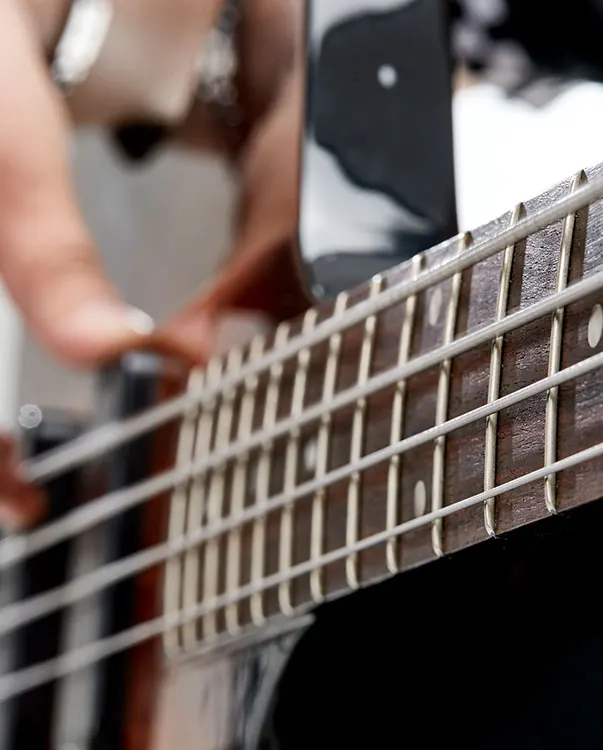
The neck joint must provide the correct alignment and angle before final assembly. Fret installation, leveling, crowning, and polishing should support comfortable action across the fingerboard. Nut and saddle dimensions also need to match the target setup.
Finishing and visual inspection
Finishing protects the instrument and defines its appearance. Inspect color, gloss, binding lines, edge transitions, polishing quality, and surface cleanliness. For natural finishes, wood variation should be discussed during sampling so expectations remain realistic.
Final setup and functional checks
Each instrument should be tuned and checked for neck relief, action, intonation, fret buzz, loose components, and unwanted vibration. Acoustic-electric models also require pickup, preamp, tuner, battery, and output testing.
Preparing for shipment
Final inspection should include packaging, accessories, labels, carton markings, and protection around the neck and body. A documented standard makes approval easier for both the customer and the production team.
Great Wall Guitar provides acoustic guitar manufacturing support for customized and private-label projects. Share your target model, market, order quantity, and quality requirements to build a practical sampling plan.